Urban Design

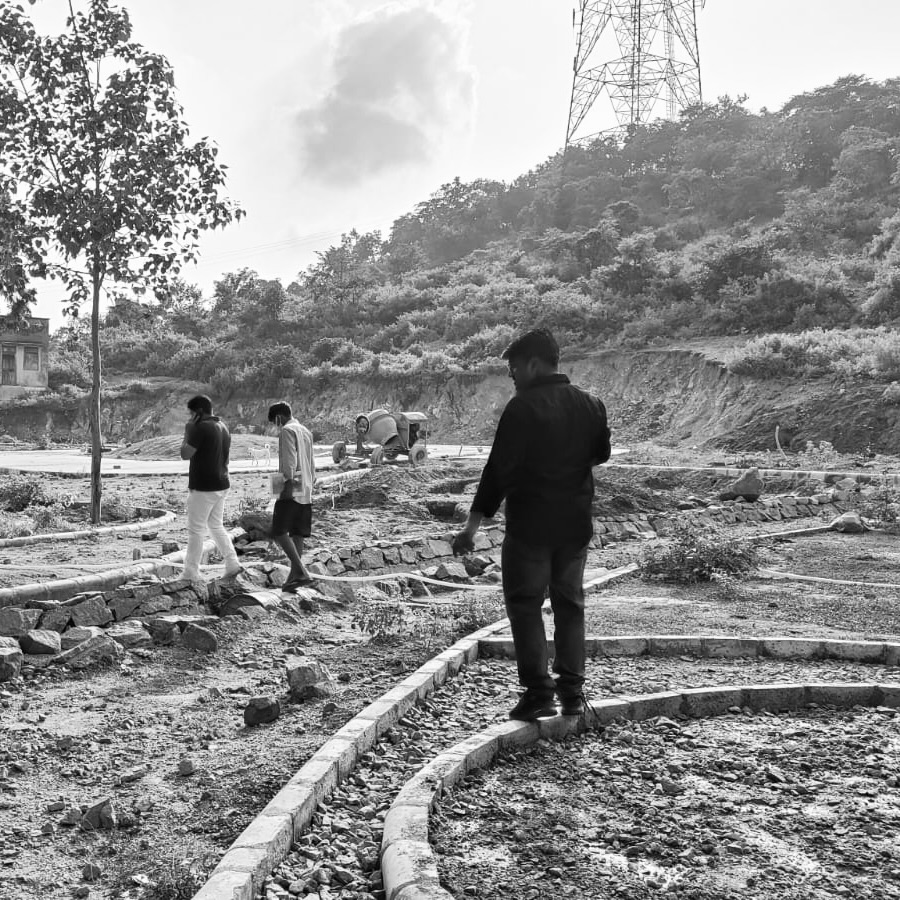
Jana Urban Space’s urban design work focuses on the design and implementation of streets, public spaces, and social infrastructure. We work with governments to translate design standards into buildable, maintainable, and scalable projects that improve the liveability, safety, and ecological performance of cities. 

Our urban design practice is grounded in the belief that design is a public function, shaping how people move, access services, earn a living, interact, and experience the city on a daily basis. 

Through our urban design work, we aim to:


  • Reimagine streets and public spaces as inclusive civic infrastructure 
  • Integrate mobility, utilities, ecology, and public life within a single design framework 
  • Advance economic opportunity, social equity, environmental sustainability, and meaningful citizen engagement through the design of everyday urban spaces 
  • Demonstrate scalable, implementation-ready design solutions for cities 
  •  

Key Urban Design Domains

Streets and public spaces

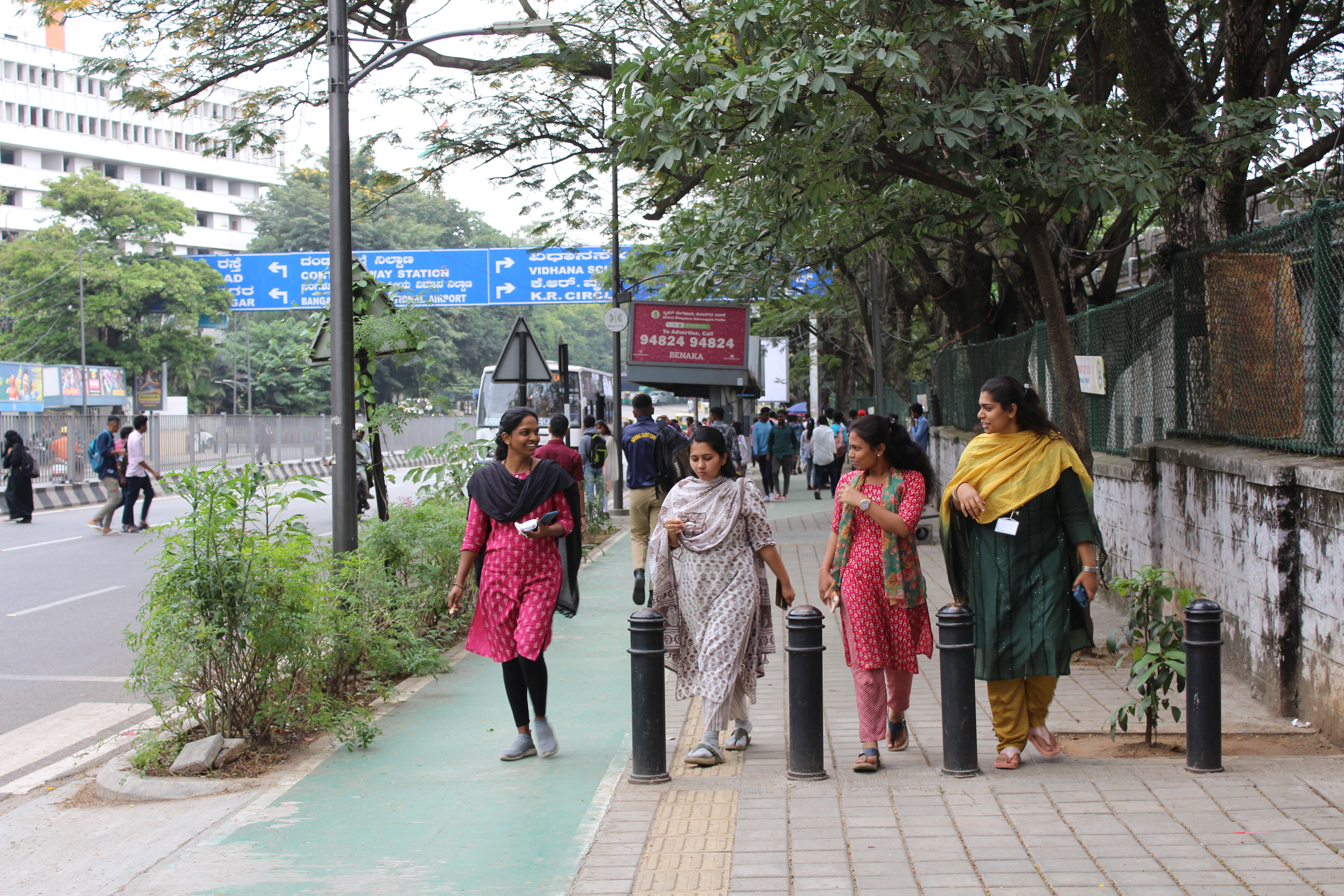
We design and support the implementation of streets and public spaces that are inclusive, safe, and people-centred.

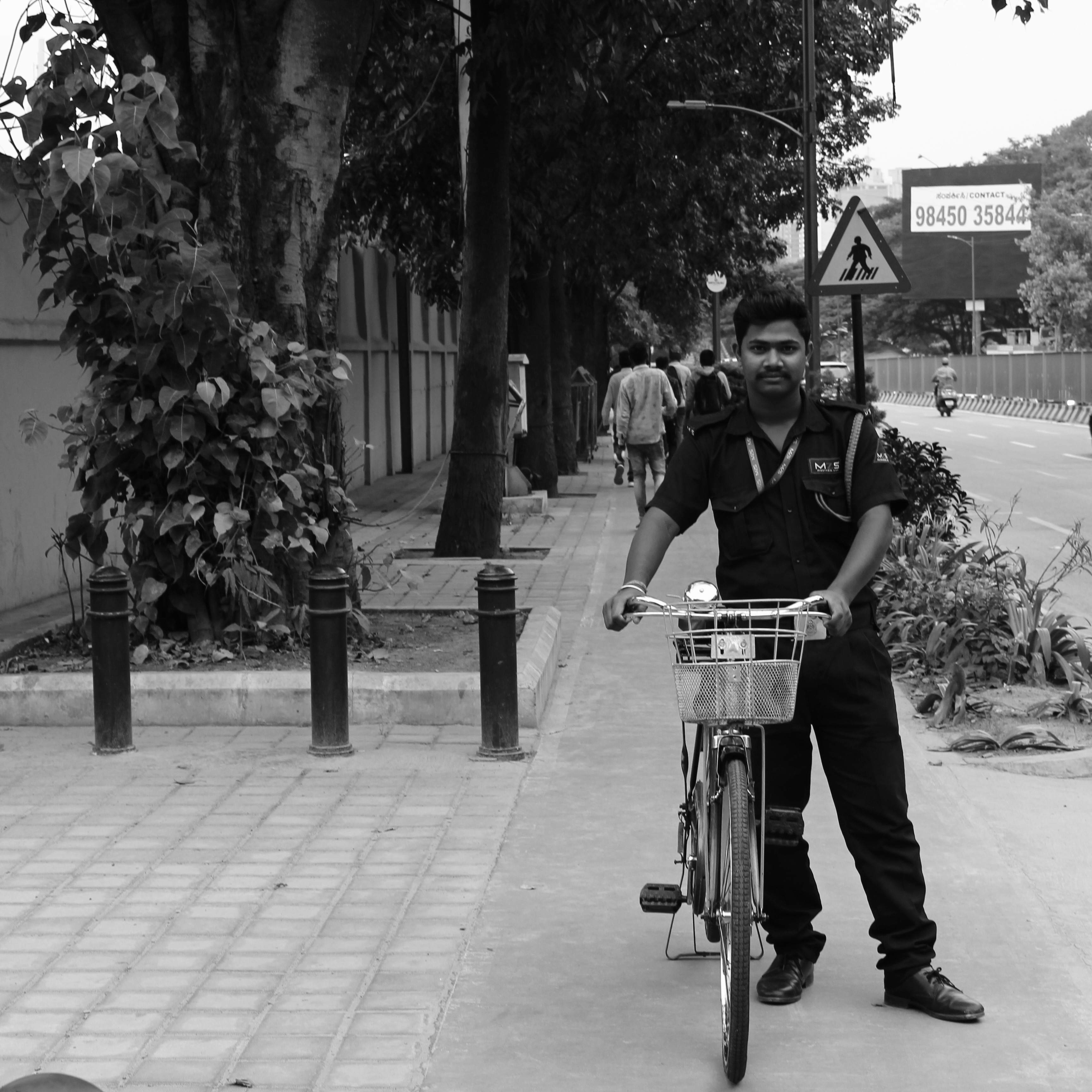
Our work repositions streets and everyday public spaces as not just essential public infrastructure, but as systemic enablers for walkability, public safety, women’s participation in the workforce, public transport, clean air, public health, and urban flooding.

We work closely with state and urban local governments to reform the design, implementation, and maintenance of streets and public spaces through a whole-of-lifecycle approach.  

This approach standardizes people-centric, climate-responsive design; improves implementation efficiency and scalability through templatized design and good for construction drawings, bill of quantities, job aids for site monitoring, model tenders, and green schedule of rates; and embeds long-term upkeep by mandating maintenance through clear guidelines and toolkits.   

Our works spans across seven categories of public spaces: 

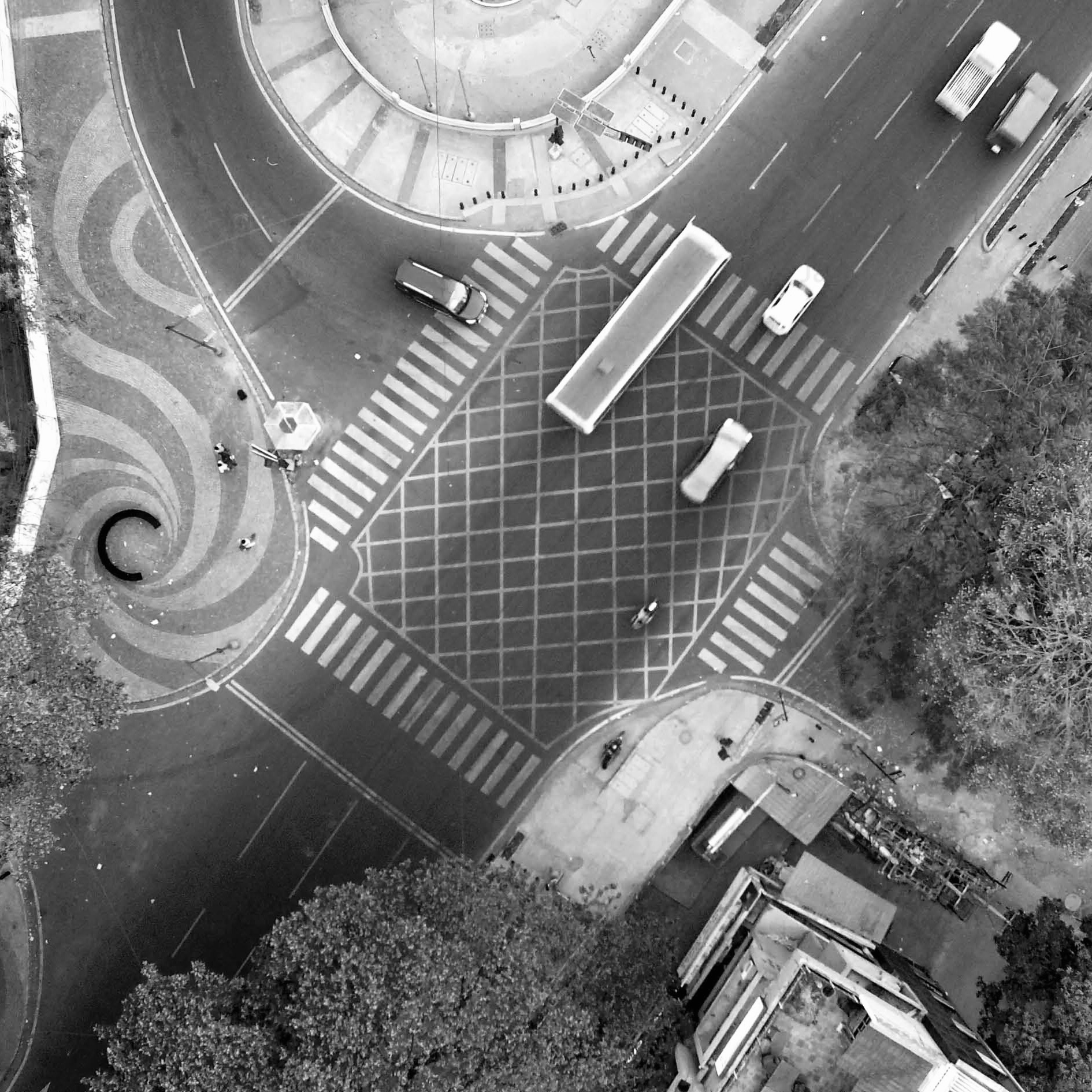
  • Mobility infrastructure, spanning urban roads, shared streets, bus terminals, railway stations, and integrated mobility hubs 
  • Markets as public spaces that are unique in their nature of creating a platform for social and economic exchange 
  • Waterfront across all scales, including nallahs, ponds, lakes and canals, river and sea 
  • Parks and open spaces, spanning from a neighborhood to city scale 
  • Places of art and culture with strong socio-cultural contexts ranging from city level museums, places of religious and cultural significance, exhibition/mela grounds 
  • Eco-sensitive zones and areas with a high degree of biodiversity are key to maintaining the ecological balance in our cities. These spaces are partially accessible to the public by design.  
  • Community spaces for the urban poor that adopt functions based on the context and are often designed and driven by the local communities, such as crematoria, Kalyana Mandapas, community halls, Anganwadis etc. 

Across these spaces, we embed principles of universal accessibility, climate responsiveness, safety, and long-term maintenance, ensuring that public realm investments deliver sustained social and urban value. 

Stormwater drainage networks

We work to reduce urban flooding by redesigning streets, drains, and waterways as a single, connected stormwater system that moves, slows, and stores water safely across the city.

We adopt a whole-of-system approach to alleviate urban flooding in Indian cities, through an integrated street-nallahs-lakes framework.

Under this framework, stormwater drains in streets are strengthened to enable a speedy evacuation of stormwater from built up areas, draining them into nallahs, where stormwater runoff is slowed and allowed to recharge shallow aquifers through an array of nature based solutions, finally draining into lakes where they are stored for reuse and recharge. 

Key elements of this work include: 

  • Resilient blue-green-grey stormwater drains under roads that evacuate and channel large amounts of stormwater runoff from streets 
  • Design, implementation, and maintenance of nallahs and open stormwater drains that function as the link between roadside drains and larger aquifers and wetlands such as lakes and rivers. This focuses on the application of Nature-based Solutions for cleaning the drains, reinforcing the embankments, and providing everyday public spaces in the buffers between nallahs and built-up areas. 

Equitable, affordable, and energy-efficient self-housing

We support equitable, affordable, and climate-responsive self-built housing, with a focus on peri-urban and low-income communities where incremental construction and self-build are the dominant housing pathways.

Our approach integrates affordability, safety, and long-term resilience with low-carbon and heat-responsive design principles.

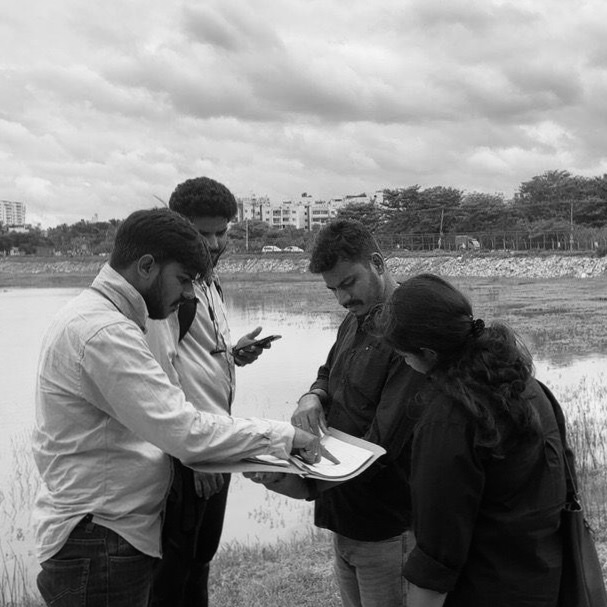
We support households, communities, and local institutions through capacity building, practical design guidance, and implementation support that improve construction quality while remaining accessible and cost-effective. 

Key elements of this work include: 

  • Heat-resilient and energy-efficient housing strategies, such as passive cooling, material efficiency, and climate-responsive layouts 
  • Low-carbon construction practices suited to incremental and self-build contexts 
  • Capacity building for households and local actors, including simple resource guides, workshops, and on-ground support 
  • Safe and affordable construction pathways, aligned with micro-finance and local delivery systems 

By strengthening how self-built housing is planned, designed, and delivered, our work improves everyday living conditions while reducing long-term energy costs, heat stress, and environmental impact.