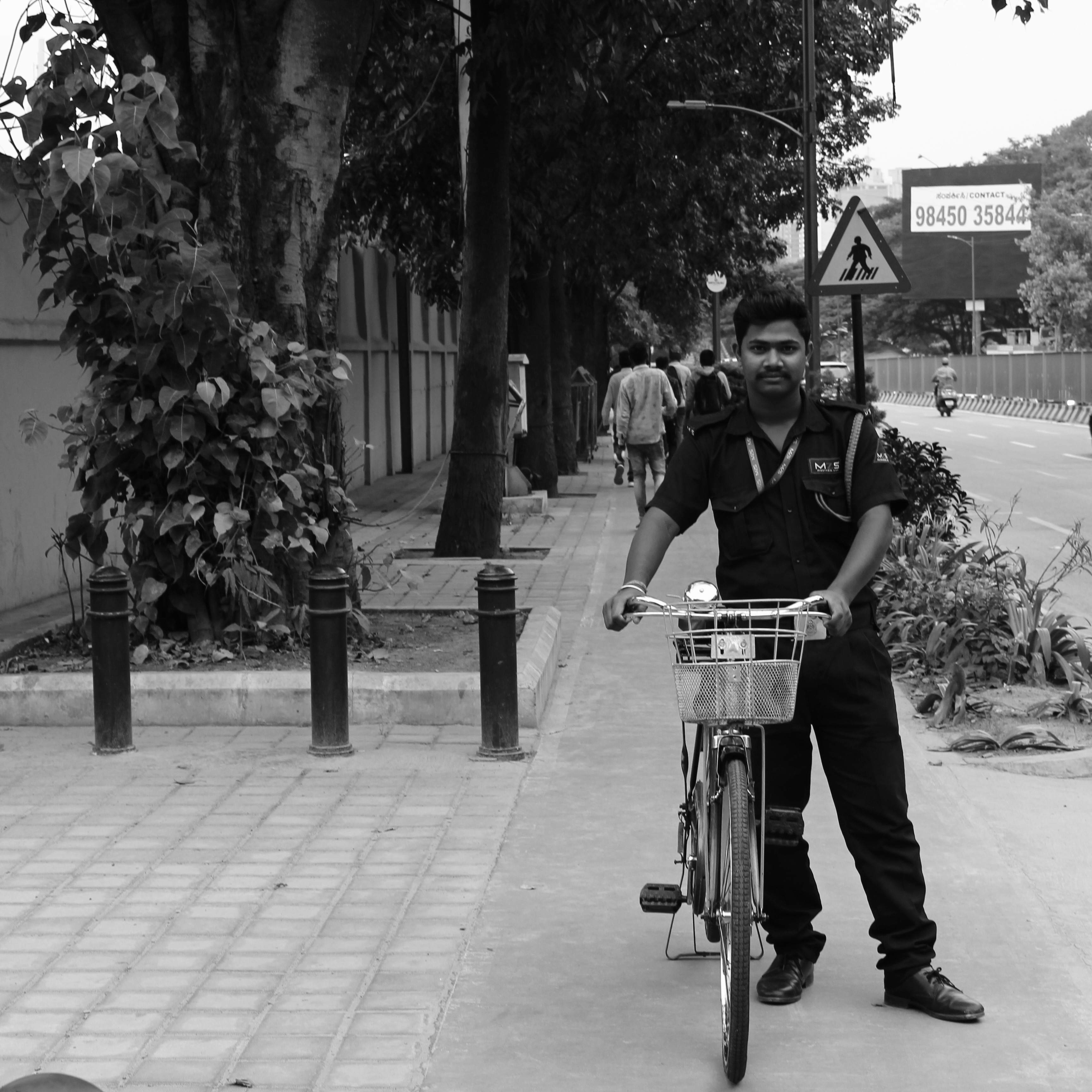
We work closely with state and urban local governments to reform the design, implementation, and maintenance of streets and public spaces through a whole-of-lifecycle approach.
This approach standardizes people-centric, climate-responsive design; improves implementation efficiency and scalability through templatized design and good for construction drawings, bill of quantities, job aids for site monitoring, model tenders, and green schedule of rates; and embeds long-term upkeep by mandating maintenance through clear guidelines and toolkits.
Our works spans across seven categories of public spaces:
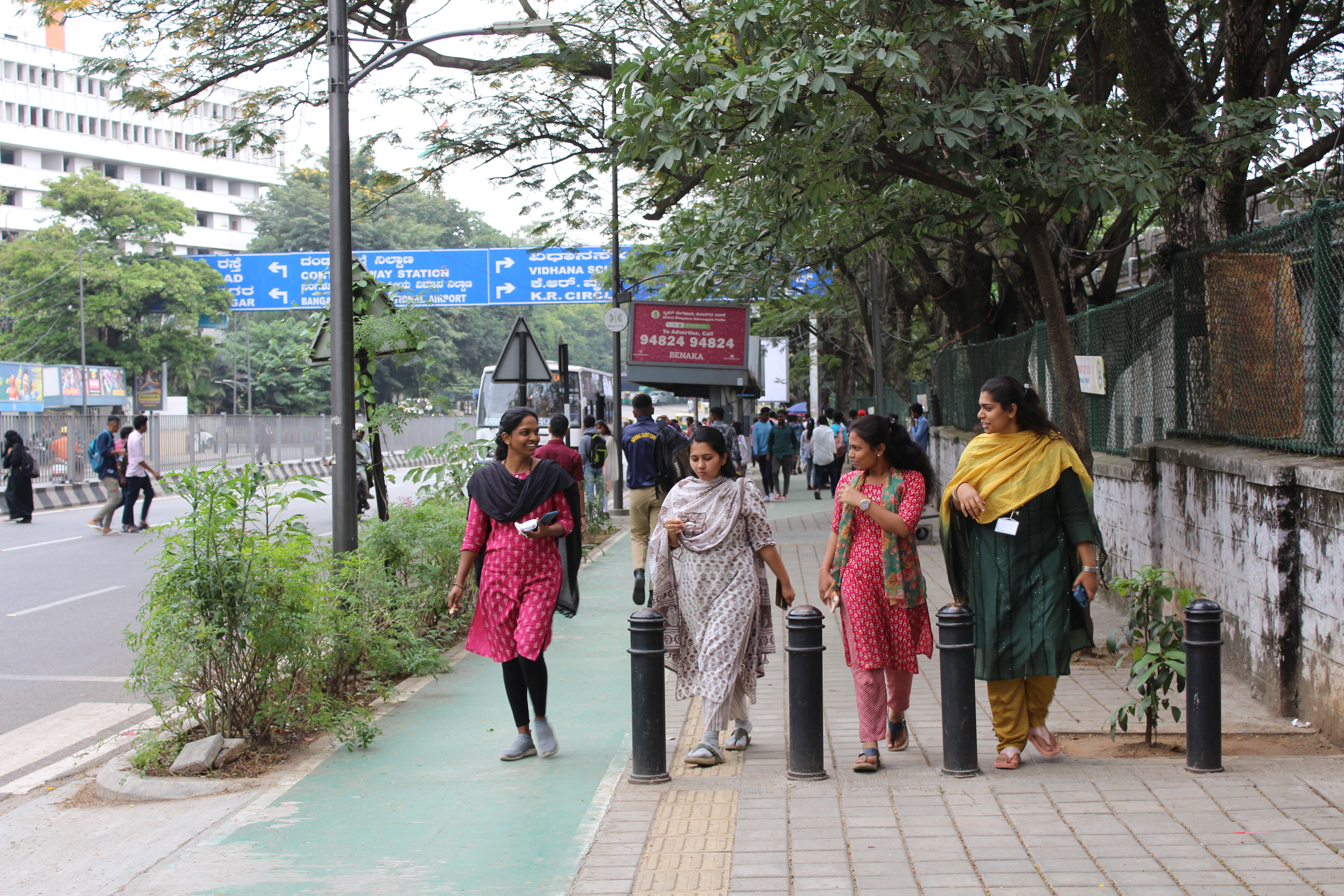
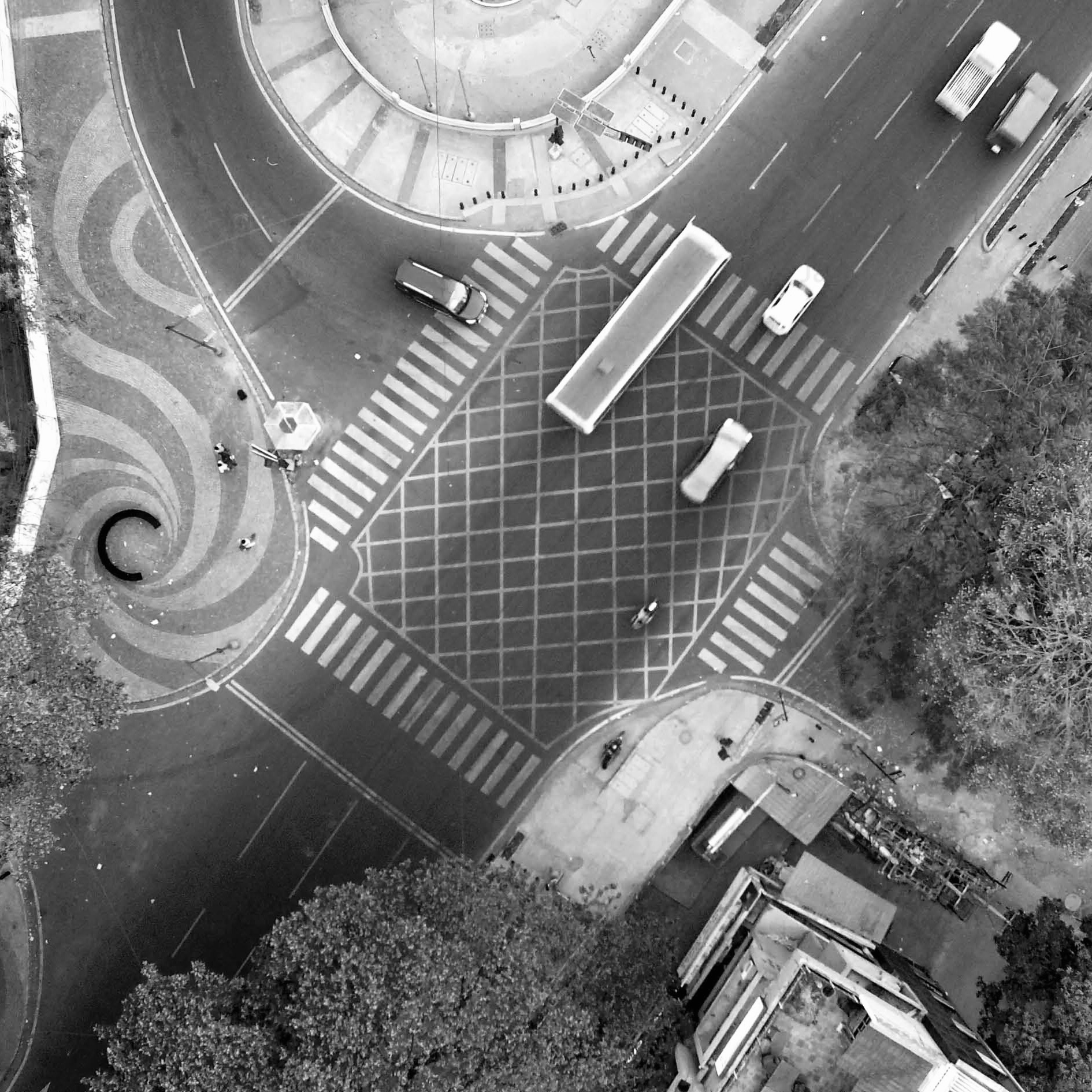
- Mobility infrastructure, spanning urban roads, shared streets, bus terminals, railway stations, and integrated mobility hubs
- Markets as public spaces that are unique in their nature of creating a platform for social and economic exchange
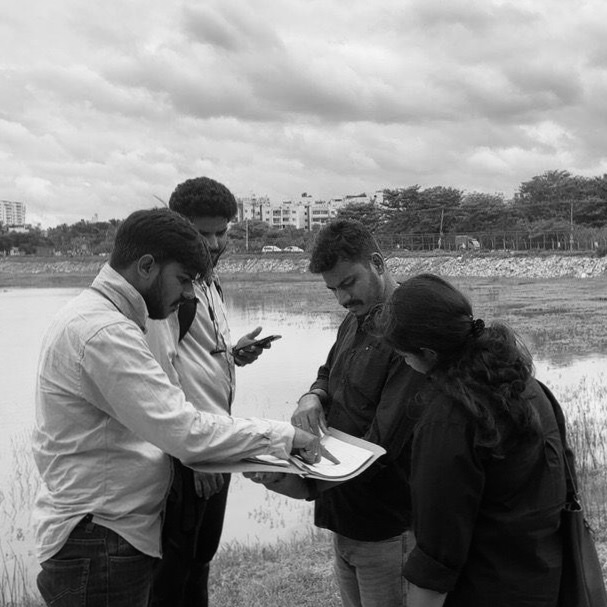
- Waterfront across all scales, including nallahs, ponds, lakes and canals, river and sea
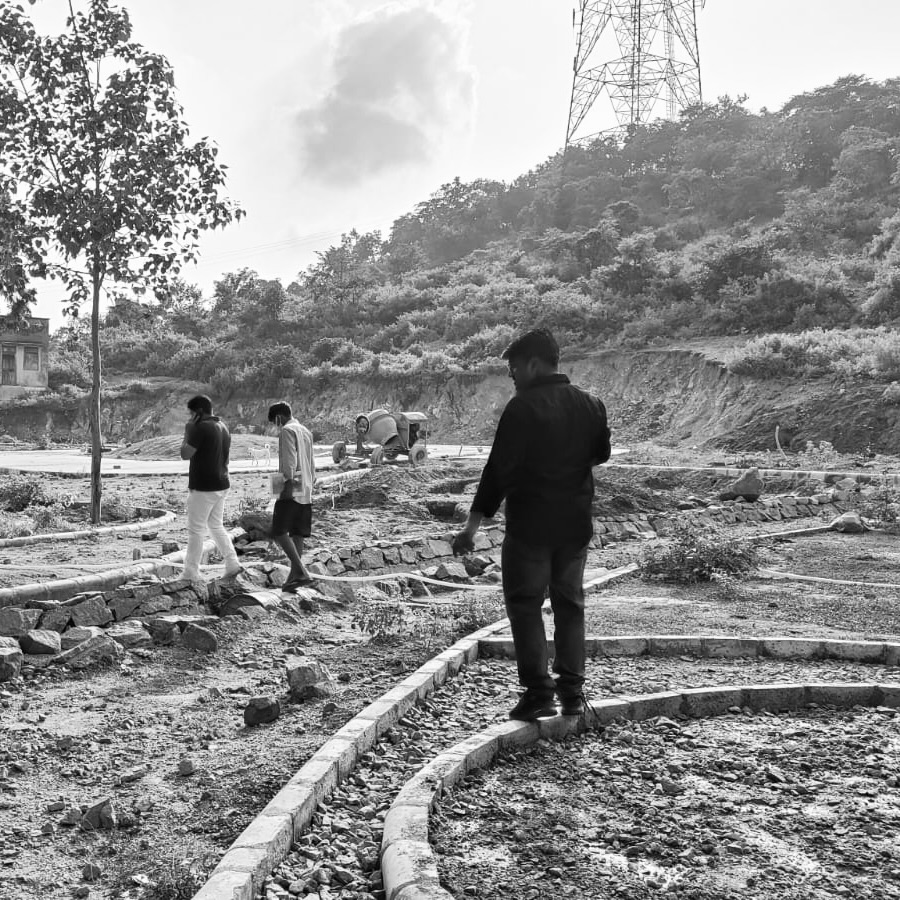
- Parks and open spaces, spanning from a neighborhood to city scale
- Places of art and culture with strong socio-cultural contexts ranging from city level museums, places of religious and cultural significance, exhibition/mela grounds
- Eco-sensitive zones and areas with a high degree of biodiversity are key to maintaining the ecological balance in our cities. These spaces are partially accessible to the public by design.
- Community spaces for the urban poor that adopt functions based on the context and are often designed and driven by the local communities, such as crematoria, Kalyana Mandapas, community halls, Anganwadis etc.
Across these spaces, we embed principles of universal accessibility, climate responsiveness, safety, and long-term maintenance, ensuring that public realm investments deliver sustained social and urban value.